
Choosing between a debit card payday loan and a direct deposit payday loan affects how quickly you receive funds, the documentation required, and the fees you will pay. This article explains how each option works, the typical timelines for funding, and how California rules influence fees and loan limits. Our goal is to provide clear, factual details so readers can decide which option best fits their short-term needs.
Key Takeaways
- Debit card payday loans provide instant access to funds via prepaid cards, often within minutes of approval.
- Direct deposit payday loans deposit funds into bank accounts, typically requiring up to one business day for processing.
- California payday loans charge a flat fee of $15 per $100 borrowed, offering clear and predictable repayment costs.
- Debit card loans involve minimal documentation and faster funding, making them suitable for urgent financial needs.
- Direct deposit loans require income and employment verification, resulting in a longer approval process.
- Customer portals offer 24/7 access, payment management, and support to enhance loan administration convenience.
- California regulations cap payday loans at $300 and mandate transparent fee disclosures to protect consumers.
- Payday loans generally require less documentation and credit scrutiny compared to personal loans, facilitating quicker access.
- Understanding funding timelines and fee structures helps borrowers select the most appropriate payday loan option.
What Are Debit Card Payday Loans and Direct Deposit Payday Loans?
Debit card and direct deposit payday loans are short-term lending options designed to deliver funds quickly while meeting basic eligibility requirements.
- Debit Card Payday Loans: These loans offer immediate access to funds via a debit card, allowing borrowers to withdraw cash directly or make purchases instantly. The application process is typically streamlined, with funds often being available within minutes after approval.
- Direct Deposit Payday Loans: In contrast, these loans are funded by automatically depositing the loan amount into a borrower’s bank account. This method may take longer, as it often involves additional verification of employment and banking details.
Both options aim to provide rapid financial relief; understanding their differences helps borrowers select the best fit. California Online Loans provides accessible payday loan services for California residents.
How Do Debit Card Payday Loans Operate in California?
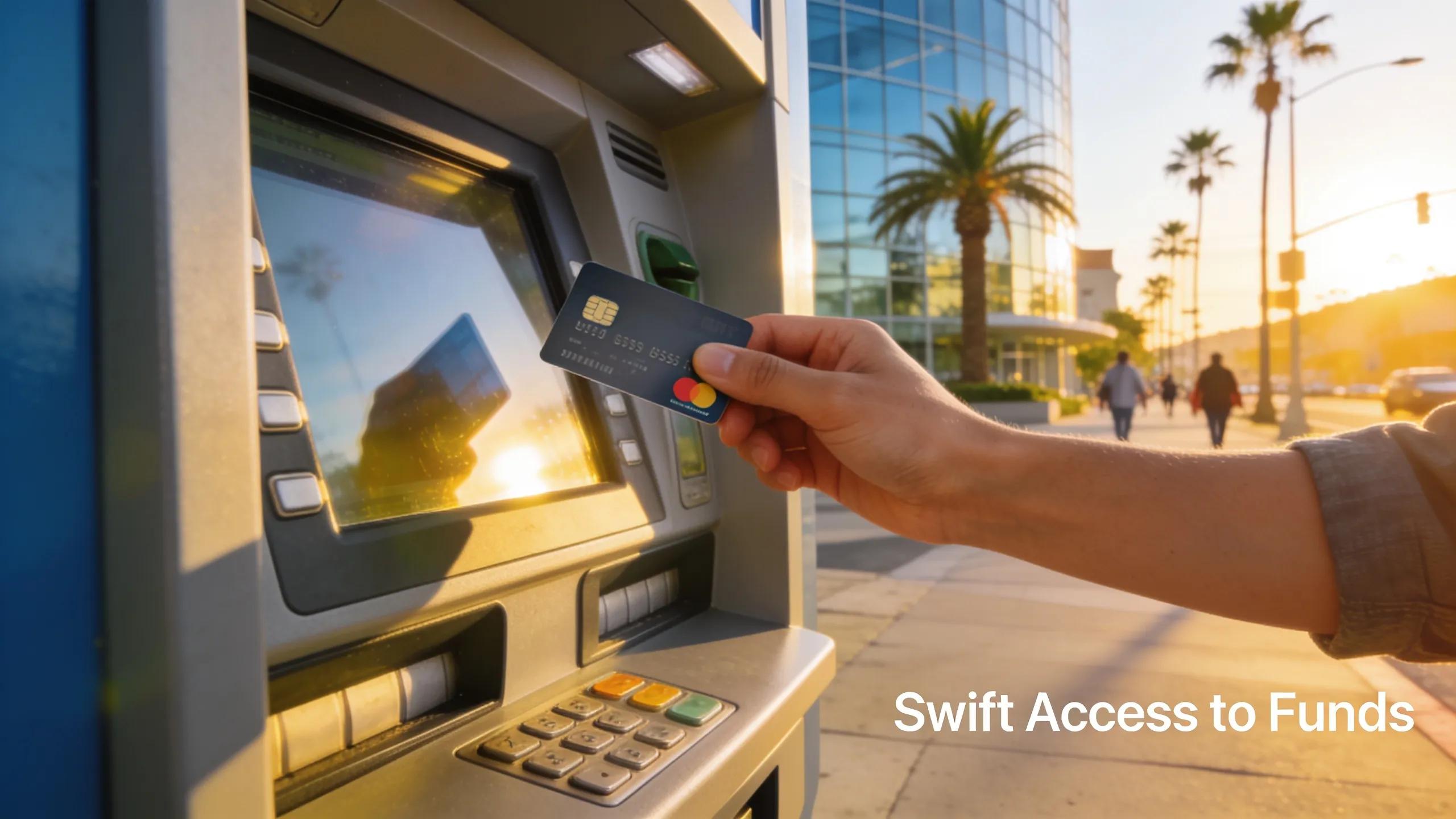
In California, debit card payday loans offer a direct way to obtain funds quickly through a prepaid card loaded after approval.
Applicants typically apply online or at a licensed location. Once approved, the lender loads the loan amount onto a prepaid debit card. The process usually requires minimal documentation, which can speed access to cash.
California payday loans charge a fixed fee of $15 per $100 borrowed, which clarifies the total repayment amount. Borrowers should note that annual percentage rates (APRs) can reach 460%.
Practical steps for debit card loan users include confirming how and when the prepaid card will be activated, whether the card requires an additional activation step, and whether there are any network limitations for ATM withdrawals or point-of-sale purchases. Borrowers should also verify any temporary holds or transaction limits on newly issued prepaid cards, which some issuers apply for security reasons.
Example calculation: borrowing $200 under California’s fee structure means a $30 fee ($15 per $100), for a total repayment of $230. For the maximum state cap of $300 the fee would be $45, making the total repayment $345. Running simple calculations like these before accepting terms lets borrowers anticipate the total cash obligation without needing complex interest formulas.
What Is the Process for Direct Deposit Payday Loans?
Direct deposit payday loans follow a multi-step process that verifies eligibility and financial information before funds are released.
- Application Submission: Borrowers submit an application, usually online, providing personal financial details, including income and banking information.
- Verification: The lender verifies the borrower’s information to confirm eligibility, including income level and employment status.
- Funds Dispersal: Once approved, the funds are sent directly to the borrower’s bank account, typically by the next business day.
This approach gives borrowers a choice between faster, card-based disbursements and bank deposits that may take slightly longer to post.
Additional considerations for direct deposit funding include bank processing windows and ACH timing. Even after a lender initiates a deposit, the receiving bank’s posting policies and processing cycles—especially on weekends or holidays—can delay availability. Borrowers who need funds immediately should check both the lender’s stated funding timeline and their bank’s deposit policies to set realistic expectations.
How Do Funding Speeds Compare Between Debit Card and Direct Deposit Payday Loans?
Debit card payday loans are generally faster at delivering funds than direct deposit loans.
Approved debit card applicants often receive cash within minutes via a prepaid card, which is useful for urgent expenses. Direct deposit loans commonly require up to one business day for funds to post to a bank account.
Knowing these timelines helps borrowers choose the option that meets their immediate cash needs.
When timing is critical, borrowers can ask the lender whether instant verification options—such as bank login verification services—are available. These services may speed approvals by validating account activity and income quickly, though they still do not guarantee same-minute posting; internal bank rules remain a factor.
What Is the Timeline for Instant Payday Loan Funding?
Funding timelines differ between debit card and direct deposit loans, especially for first-time applicants.
First-time debit card borrowers typically access funds within minutes of approval. Repeat customers may receive funds even faster, with many disbursements available 24/7. For more details, see instant payday loan funding.
Direct deposit loans can take longer when verification delays occur, and funds may not appear until the next business day. Factoring these timelines into planning helps borrowers manage urgent needs.
New applicants should budget time for identity verification and documentation upload. Even small issues—mismatched name, missing paystub, or an expired ID—can add hours or days to approval. Preparing materials in advance and using the lender’s recommended upload formats reduces friction and the chance of delay.
What Factors Affect Same Day Payday Loans in California?
Several factors affect the likelihood of receiving same-day funding in California.
- Eligibility Requirements: Lenders will assess income levels, employment status, and credit history which can impact approval decisions.
- Approval Processing Times: Efficient processing can lead to same-day funding, depending on the lender’s operational capabilities.
- Documentation Completeness: Ensuring that all necessary documentation is submitted upfront can shorten the approval timeframe.
Borrowers who prepare required documents and meet eligibility standards improve their chances of faster approvals.
Other practical factors include the time of day the application is submitted, whether the lender performs manual reviews that require business-hour staffing, and whether the borrower uses secure, supported methods for document upload. Submissions late in the day or on weekends may be queued for the next business cycle.
What Are the Fee Structures and Loan Terms for Debit Card versus Direct Deposit Payday Loans?
Knowing fee structures and terms for each loan type is essential for budgeting and repayment planning.
- Debit Card Loans: Typically charge a flat fee of $15 per $100 borrowed. This straightforward fee provides clarity upfront.
- Direct Deposit Loans: May have similar fee structures, but the total amount available for borrowing can vary, with California loans capping at $300.
These fee limits help borrowers assess affordability and manage repayment expectations.
To compare offers, borrowers should request examples showing the total repayment amount for specific loan sizes (for example, $100, $200, and $300). Seeing concrete totals rather than only a per-$100 fee or an APR figure makes it easier to compare options across lenders and disbursement methods.
How Does the Single Fee Structure Work for These Payday Loans?
California’s single fee structure makes it simple to calculate the total cost of a payday loan.
Borrowers are charged $15 for every $100 borrowed, so the repayment amount is predictable. This approach reduces confusion associated with variable interest calculations and undisclosed charges.
Because the fee is linear, simple math yields the repayment total quickly: multiply the borrowed amount by 0.15 to find the fee, then add it to the principal. This clarity can be helpful when comparing short-term borrowing to alternatives with multi-month amortization schedules.
What Are Typical Returned Check Fees and Other Charges in California?
Borrowers should be aware that additional charges can arise if payments fail or are late.
A returned check fee may apply, commonly up to $15. Late payment or insufficient funds fees can also occur, underscoring the importance of timely repayment.
Before accepting a loan, confirm how the lender handles failed payments—whether they attempt a single re-presentment, whether they notify the borrower in advance of an automatic debit, and whether the lender will offer a short-term payment arrangement to avoid further fees. These policies can vary, and understanding them prevents surprises.
What Benefits Does the Customer Portal Offer for Managing Payday Loans?
Many payday loan providers, including California Online Loans, provide customer portals to simplify account management and communication.
These portals commonly offer the following features:
- 24/7 Accessibility: Borrowers can access their loan information anytime, providing convenience and flexibility.
- Payment Management Features: Users can easily set up payment schedules and monitor their repayment progress.
- Customer Support Access: Direct access to support representatives through the portal aids in resolving any issues quickly.
Accessible account tools help borrowers monitor balances, schedule payments, and stay on top of due dates.
When evaluating a lender’s portal, look for secure login mechanisms, clear statements showing the due date and total amount owed, and an accessible transaction history that includes disbursement and payment timestamps. These features help with record-keeping and personal budgeting.
How Does 24/7 Online Access Enhance Loan Management?
Round-the-clock online access improves borrowers’ ability to manage loans outside of normal business hours.
It allows users to check balances, make payments, and receive reminders about due dates at any time, which supports better planning and on-time repayment.
Automated alerts—via email or text—can be enabled in many portals to remind borrowers of upcoming due dates, failed payments, or available offers. Managing these alerts proactively helps reduce the likelihood of missed payments and additional fees.
What Features Facilitate Easy Loan Payment and Requests?
User-focused portal features reduce friction when managing payday loans.
Common functionalities include:
- User-Friendly Interface: Simplifying navigation for borrowers makes managing loans less stressful.
- Payment Tracking: Borrowers can monitor their payment progress to avoid missed deadlines.
- Loan Request Options: Users have the ability to apply for new loans directly through their accounts.
These features support timely payments and clearer oversight of loan activity.
Other helpful tools include downloadable receipts for payments, a clear FAQ within the portal, and secure document upload so borrowers can quickly respond to verification requests without emailing sensitive files externally.
How Does Regulatory Compliance Influence Payday Loans in California?
Regulatory compliance defines allowable fees, loan amounts, and disclosure requirements for payday lending in California.
The state imposes rules on loan terms and fees to protect consumers. Lenders must follow these rules to keep their licences and operate lawfully, ensuring borrowers have access to transparent and regulated services.
Borrowers should ensure any lender they consider is properly licensed in California. A licensed status and clear, written disclosures are indicators that the lender is operating under state oversight and subject to consumer protection measures.
What California Regulations Apply to Debit Card and Direct Deposit Loans?
California regulations set limits on loan amounts and require clear disclosures about fees and terms.
For example, state law caps payday loans at $300, which clarifies the maximum available amount and helps borrowers understand their options.
Regulatory rules also require lenders to present fees and repayment obligations in plain language prior to acceptance. This transparency enables side-by-side comparisons between lenders and methods of funding to choose the most appropriate option for each situation.
How Do These Regulations Protect Borrowers?
California’s regulatory framework includes provisions designed to give borrowers clear information and access to repayment options.
Key protections include:
- Transparency: Lenders must disclose all terms and fees associated with loans, fostering informed decision-making.
- Consumer Rights: Borrowers have the right to request information and explanations about loans and fees.
- Repayment Plans: Regulations mandate offers for repayment arrangements under certain conditions, assisting borrowers in managing their debt.
These rules help borrowers understand obligations and access tools to manage repayment effectively.
If a borrower believes a lender has not followed disclosure requirements, state consumer protection offices provide resources for filing complaints and seeking clarification. Keeping copies of all agreements and communications supports any follow-up inquiries.
Why Might a Payday Loan Be Preferable to a Personal Loan for Some Borrowers?
Payday loans can be preferable for individuals who need rapid access to small amounts of cash and who may not qualify quickly for longer-term personal loans.
- Accessibility: Payday loans typically require less documentation and lower credit scores than personal loans.
- Speed: Borrowers can often access funds faster, making payday loans a suitable option for emergencies.
- Lower Documentation Requirements: The simplified application process makes payday loans more attainable for many individuals.
These characteristics make payday loans a practical option for short-term needs that require immediate funding.
However, borrowers should weigh short-term convenience against repayment obligations and consider whether alternatives such as small personal loans, borrowing from family, or community assistance programs might offer a more sustainable solution when time allows.
What Advantages Do Payday Loans Offer Over Personal Loans?
Payday loans provide specific advantages when time and simplicity are priorities.
- Fast Access to Funds: Borrowers can receive their money within minutes, unlike traditional personal loans that can take days to process.
- Simpler Applications: The application process is generally more user-friendly, requiring minimal information.
- Limited Credit Checks: Payday loans often rely less on extensive credit histories, broadening access for various consumers.
For immediate cash needs, these features can be decisive factors in choosing a payday loan.
Borrowers should still compare total repayment amounts and confirm that the lender’s terms align with their ability to repay on the scheduled due date. Doing so reduces the chance of incurring additional charges or needing to arrange an extended repayment plan.
How Do Transparent Fees and Instant Funding Support Borrowers’ Needs?
Clear fee disclosures combined with rapid funding help borrowers address urgent expenses while understanding their repayment obligations.
Knowing the exact fees up front enables borrowers to plan repayment and avoid unexpected charges. Quick access to funds supports urgent financial requirements while maintaining transparency about costs.
Many lenders provide examples and calculators that show the total repayment amount for specific loan sizes. Using these tools helps borrowers compare options without needing to interpret a variety of financial terms or APR presentations.
How Can California Residents Apply for a Debit Card or Direct Deposit Payday Loan?
California residents can apply for either loan type through a straightforward process that sets out eligibility and documentation requirements.
- Eligibility Criteria: Applicants must be at least 18 years old, residents of California, and possess an active checking account with verifiable income.
- Step-by-Step Application Guide: Prospective borrowers are usually guided through a clear set of instructions, which may be available on the lender’s website.
- Necessary Documentation: Applicants should have their identification, proof of income, and bank information ready to expedite the process.
This clear process helps applicants complete applications successfully. For immediate assistance or to start the process, you can explore options through their apply now page.
Before starting, collect digital copies of required documents in supported formats (PDF, JPG) and ensure your contact information is current. Having this material ready speeds verification and reduces the chance of requests for follow-up documentation.
What Steps Are Involved in the Easy Online Pay Advance Application?
Online payday loan applications follow simple, logical steps to make the process accessible.
- Visit the Lender’s Website: Access the application page directly.
- Fill Out the Application Form: Provide required personal and financial details.
- Submit Documentation: Upload any necessary documents to support your application.
- Receive Confirmation: After submission, review the loan terms and await approval notifications.
These steps make the application process straightforward and approachable for prospective borrowers.
When filling out forms, double-check account numbers and employer contact information to avoid delays caused by mismatches. If the lender offers a guided walkthrough or live chat, use these resources to clarify requirements in real time.
How Is Loan Approval and Instant Funding Secured?
Approval and funding rely on a mix of automated checks and manual verification to confirm eligibility and reduce fraud.
Lenders use automated systems to evaluate income and account status quickly. Once approved, funds—especially with debit card loans—can be disbursed almost immediately. For questions, use the contact portal for assistance.
Security measures commonly include encrypted data transmission, multi-factor authentication for account access, and temporary holds on new accounts to detect unusual activity. These protections help prevent unauthorized transactions while balancing the need for quick funding.
What Common Questions Do Borrowers Have About Debit Card and Direct Deposit Payday Loans?
Borrowers commonly ask about rates, eligibility with lower credit scores, and borrowing frequency.
- What is the interest rate?: The rate for payday loans can reach as high as 460% APR.
- Can I get a loan with poor credit?: Yes, many payday lenders do not require extensive credit checks.
- How often can I borrow?: Responsible use allows for additional borrowing, but lenders may assess repayment history.
Clear answers to these questions help borrowers weigh options and plan repayments responsibly.
Prospective borrowers should also confirm any waiting periods between loans, whether multiple concurrent loans are permitted, and how repeat applications affect approval likelihood. A clear view of these policies helps with short-term planning and avoids unintended conflicts with lender rules.
What Is a Debit Card Payday Loan?
A debit card payday loan delivers funds quickly by loading cash onto a prepaid debit card, offering a simple and fast solution for urgent expenses. For more information, see California payday loan prepaid debit cards.
Because funds are accessible via a card, borrowers can use the money immediately for purchases, bill payments, or ATM withdrawals. Be mindful of any fees associated with ATM withdrawals or out-of-network transactions on prepaid cards.
How Fast Is Direct Deposit Payday Loan Funding?
Direct deposit funding posts to bank accounts after a brief verification period. While some lenders can approve and deposit funds the same day, applicants should plan for the possibility that funds may not be available until the following business day.
If immediate liquidity is required, compare the estimated posting time in writing and ask whether expedited options exist. Some lenders clearly label offers as “instant deposit” or provide estimated time windows—use these stated timelines when making decisions.
Frequently Asked Questions
What Are the Eligibility Criteria for Debit Card and Direct Deposit Payday Loans?
To qualify for debit card and direct deposit payday loans in California, applicants must be at least 18 years old and residents of California. They need to have a reliable source of income and an active checking account to facilitate transactions. Additionally, lenders typically require minimal documentation, making the process accessible to a broader range of individuals. This ease of access is particularly beneficial for those facing sudden financial emergencies.
Can Borrowers Use Debit Card Loans for Any Purpose?
Yes, borrowers can use debit card payday loans for various purposes, such as covering unexpected expenses like medical bills, car repairs, or utility payments. However, it’s important for borrowers to use these funds responsibly and ensure that they have a plan for repayment to avoid future financial strain. The flexibility of debit card loans is one of their appealing features, as it allows individuals to address immediate cash flow needs without restrictions on their usage.
What Happens if You Cannot Repay the Payday Loan on Time?
If a borrower is unable to repay a payday loan on time, they may incur additional fees or face other financial consequences. To manage this situation, it’s essential to communicate with the lender as soon as problems arise. Many lenders can offer options such as payment plans or extensions, though this may come with additional costs. Understanding the terms of the loan agreement and being proactive can help borrowers mitigate negative impacts.
Are There Alternatives to Payday Loans Available in California?
Yes, California residents have several alternatives to payday loans. Options include personal loans from banks or credit unions, which typically offer lower interest rates and longer repayment terms. Additionally, some nonprofit organizations provide small loans or financial assistance. Borrowers should thoroughly research these alternatives as they may provide more affordable options, especially for those who can afford to wait a little longer to secure funds without stringent repayment deadlines.
How Can Borrowers Improve Their Chances of Loan Approval?
To enhance their chances of loan approval, borrowers should ensure they have a stable income and satisfactory documentation ready for submission. Keeping their application complete and accurate can expedite the process. Additionally, maintaining a good relationship with the lender and demonstrating responsible financial behavior can positively influence future loan requests. Understanding the lender’s criteria and ensuring eligibility aligns with those requirements is crucial for successful applications.
What Resources Are Available for Borrowers Seeking Financial Education?
Numerous resources are available for borrowers looking to enhance their financial literacy. Government websites, nonprofit credit counseling agencies, and community financial workshops provide valuable information on budgeting, managing debt, and improving credit scores. Online platforms also offer courses and tools tailored to understanding personal finance better. Engaging with these resources can empower borrowers to make informed decisions and improve their overall financial well-being.
Conclusion
Understanding the differences between debit card payday loans and direct deposit loans helps borrowers select the option that best meets their short-term needs. Each option offers benefits such as rapid funding and transparent fees, which support informed decision-making. For more information and to explore available options, visit our website for guidance and support.
Before accepting any loan, review the written terms, confirm total repayment amounts for the specific loan size you need, and consider whether your cash flow supports the scheduled repayment. Doing so helps ensure that the chosen solution addresses your immediate need while aligning with your short-term financial plan.
Share this article:
Related Posts