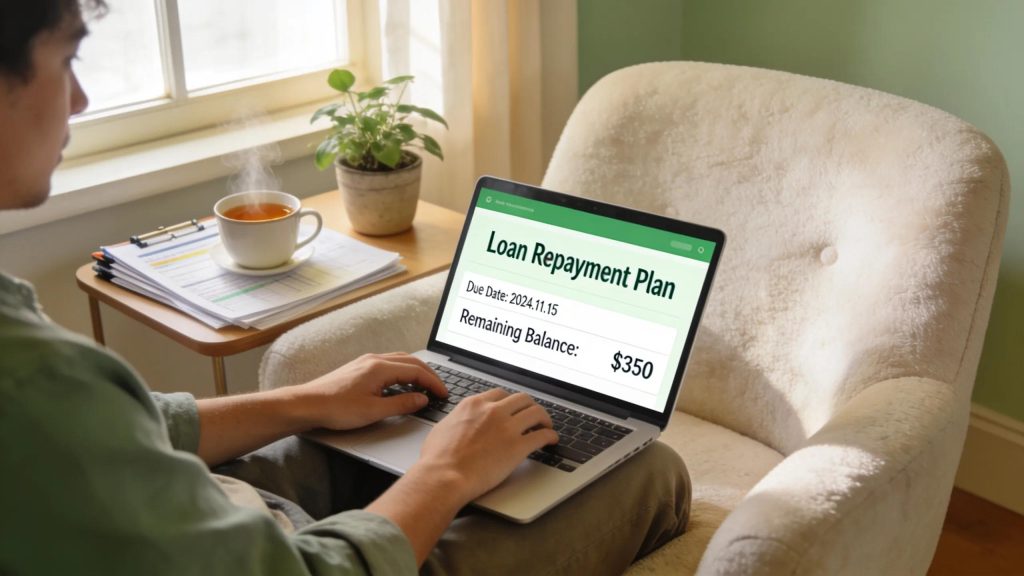
Repaying a payday loan sent to your debit card can feel daunting, but knowing the terms and payment options makes the process straightforward. Many people use these loans for immediate cash when funds are tight. This guide explains how to repay such loans, the key terms involved, and the payment methods lenders use. It also addresses common questions about fees and the benefits of an online customer portal so you can understand your obligations and options.
This article covers the key terms for debit-card funded payday loans, how repayment works, fees that apply in California, and the benefits of a customer portal for managing a loan. Whether you are new to payday loans or need clarification about repayment, this guide offers practical information.
Throughout the guide you will find practical steps to prepare for repayment, ways to verify transactions, and advice on communicating with a lender. The goal is to give you clear, usable information so you can avoid surprises and complete repayment smoothly. The content focuses on common scenarios, typical lender practices, and borrower responsibilities without assuming specific lender policies beyond the general examples provided earlier.
Before you begin repayment it helps to gather relevant documents: the loan agreement, recent account statements, any email confirmations from the lender, and a record of upcoming income or expected deposits. Having this documentation on hand simplifies interactions with the lender and speeds up any dispute resolution if a charge looks incorrect. Keep a simple folder—digital or paper—with the loan agreement and receipts until the account is fully closed.
Key Takeaways
- Payday loans funded to debit cards typically charge a $15 fee per $100 borrowed, due on the next payday.
- Repayment is usually automatic via bank account deductions linked to the debit card used for funding.
- California caps payday loans at $300 and regulates fees to protect borrowers from excessive costs.
- The 24/7 online customer portal allows borrowers to manage payments, check balances, and view repayment schedules easily.
- Borrowers should maintain sufficient funds before repayment dates to avoid returned payment fees and credit impacts.
- Early loan repayment is generally allowed without penalties, offering flexibility in managing payday loan obligations.
- Missed or delayed payments can incur fees and negatively affect credit history, so prompt lender communication is essential.
- Payday loans funded to debit cards provide quick cash access but carry higher fees compared to traditional personal loans.
- These loans are suitable for immediate financial needs due to fast funding and minimal application requirements.
What Are the Key Terms of Payday Loans Funded to Debit Cards?
Understanding the key terms of payday loans is essential. A payday loan commonly charges a fee of $15 per $100 borrowed. For example, borrowing $300 would require repayment of $345 if repaid on the next payday. Repayment is generally due on the borrower’s next payday, so confirm due dates and plan accordingly. Many lenders also offer automatic payment deductions from the linked account.
California Online Loans offers instant funding to customers’ debit cards across California. Its fee structure and repayment terms are presented clearly, which can assist consumers who need quick access to cash.
| Loan Type | Fee | Repayment Terms |
|---|---|---|
| Payday Loan | $15 per $100 borrowed | Due on next payday |
Knowing the fee structure helps borrowers plan and meet their repayment obligations. It is also useful to note how fees are applied and how they appear on bank statements. Typically, the repayment debit will show the lender’s name or a descriptor chosen by the lender; keep an eye out for that label so you can match the withdrawal to the loan scheduled for repayment.
Also review any sections in your loan agreement that describe accidental duplicates or reversal processes in case the lender debits the account more than once. Some lenders have explicit processes for returning duplicate charges; others require a short dispute procedure. Keep records of any confirmations or receipts you receive after making a repayment so you can provide evidence if needed.
How Does Repayment Work for Debit Card Funded Payday Loans?
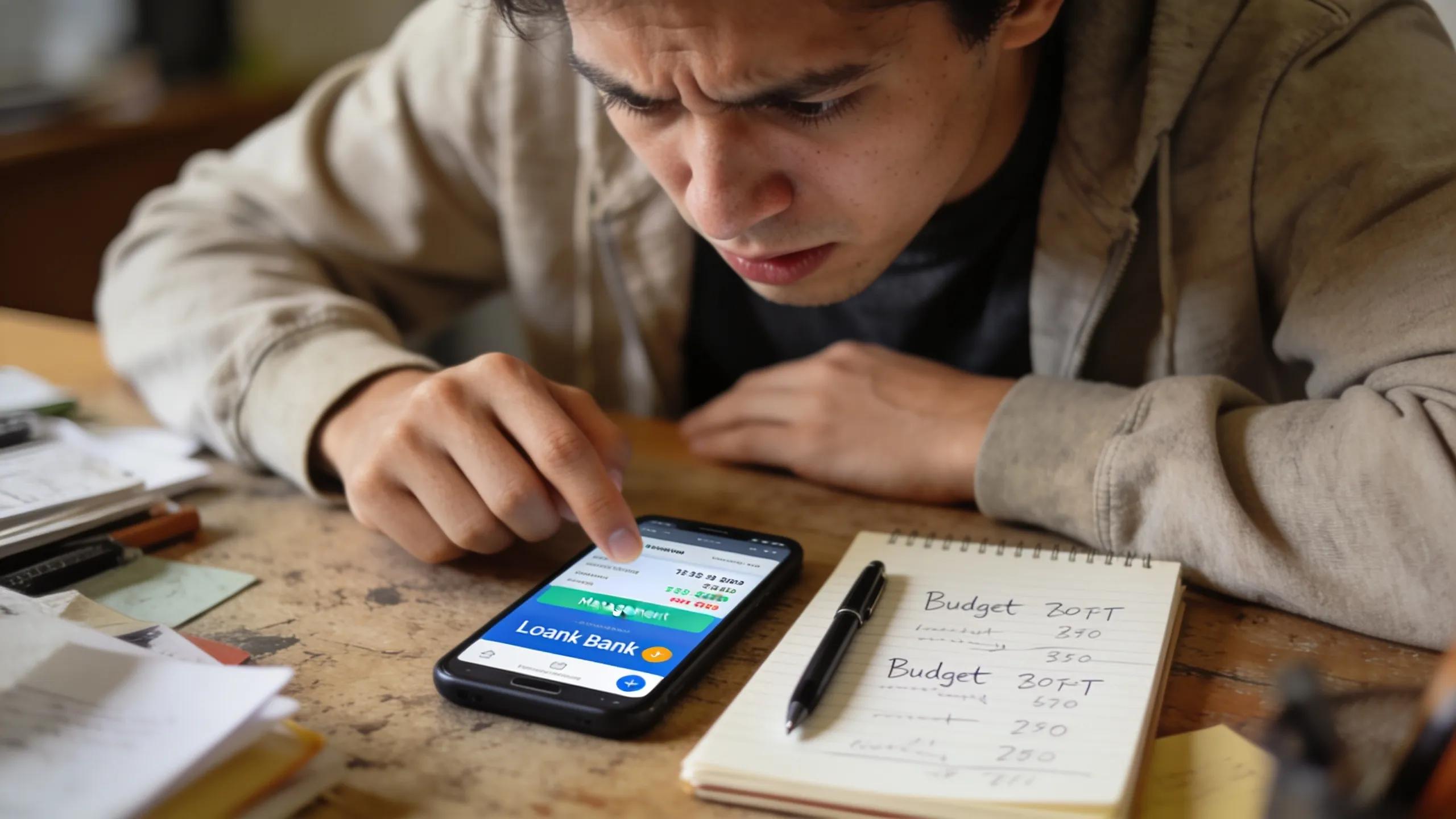
Repayment usually occurs as an automatic debit from the bank account linked to the debit card used for funding. Confirm your repayment date to avoid surprises. If funds are insufficient on the repayment date, a returned payment fee may apply and complicate your finances. Monitor your account balance before the due date.
If a payment attempt fails, contact your lender promptly to discuss options and avoid additional charges. Understanding these steps can reduce potential financial strain.
Automatic debits are convenient because they remove the need for manual payments, but they require careful scheduling. To prepare, note the exact calendar date the lender intends to withdraw funds and plan deposits or transfers to cover that withdrawal. If your income is irregular, create a short buffer of a few days so the debit does not fall before an expected deposit.
Some borrowers prefer to keep a small emergency balance specifically to cover scheduled debits. This cushion can prevent returned payment fees and the need to engage in quick remedial actions. If you expect a one-time shortfall, call the lender in advance. Many lenders will note the call and may allow a one-time courtesy hold or an alternative arrangement, though this depends on the lender’s internal policy.
Which Fees Apply to Debit Card Payday Loans in California?
California regulates payday loans to limit excessive fees. The primary cost is a flat fee of $15 per $100 borrowed. Returned payment fees may apply if a payment fails. State law also caps payday loans at $300, which helps protect borrowers from overborrowing.
Borrowers should review all applicable fees and budget accordingly to avoid unexpected expenses.
Aside from the flat fee and returned payment charges, borrowers should also check whether the lender may charge administrative or reinstatement fees if a payment plan is arranged after a missed payment. While some providers keep additional fees minimal, others include small service charges for changes to the repayment schedule. Read the terms that accompany the loan so you are aware of any potential additional costs.
If you are a California resident, verify that the lender’s disclosures match state-required statements. State law requires that certain fees and caps be disclosed. If you notice a fee that appears inconsistent with local rules, request clarification in writing and keep a copy of the lender’s written response.
How to Use the 24/7 Online Customer Portal for Loan Repayment?
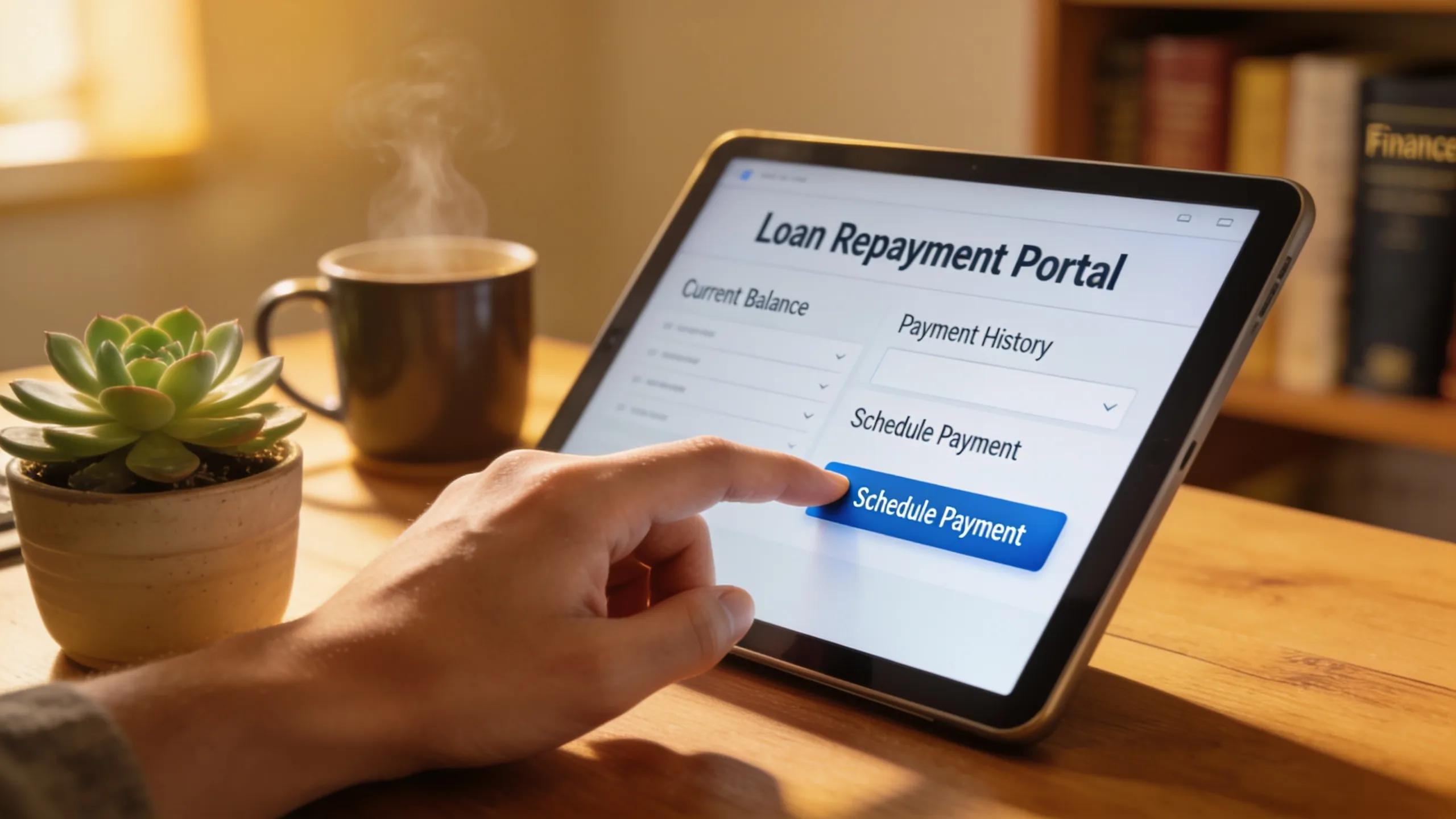
Lenders’ 24/7 online portals give borrowers access to loan details and repayment schedules. Log in to view payment history, check due dates, and manage payments. The portal lets users monitor their accounts proactively.
You can often make payments through the portal, which adds convenience and simplifies loan management.
When using the portal, confirm the site is secured (look for https and the lock icon in the browser) and that you are on the lender’s verified domain. Create a strong password and enable any offered security features, such as two-factor authentication. Save payment receipts from the portal and consider downloading monthly statements if available so you have a local copy of transaction history.
The portal can also be useful when you need to change contact information, upload documents, or request a payment extension. Some portals include live chat or secure messaging that documents conversations; using these channels creates a written trail you can reference later. If you use a mobile app version of the portal, make sure the app is the official one provided by your lender and that it is up to date.
How to Initiate Repayment via the Secure Customer Portal?
To initiate repayment, log in with your credentials and go to the payment section. Verify that the debit card linked to your account is current. After you submit a payment, you will receive a confirmation to verify the transaction.
This streamlined process reduces the administrative burden of making payments.
Step-by-step: first, confirm the amount owed and the exact date the payment will be processed. Second, select the payment method (debit card, bank transfer, or any other method the portal supports). Third, review the transaction details and confirm. Finally, save or screenshot the payment confirmation and note the confirmation number. If the portal allows scheduling, consider scheduling the payment a day earlier than the due date to ensure funds clear on time.
If you prefer not to use the portal, many lenders accept over-the-phone payments. When calling, have your account number, payment method, and identification ready. Ask the representative to email or text you a confirmation number and the exact amount charged so you can reconcile the transaction with your bank statement.
What Happens If a Payment Is Returned or Delayed?
If a payment is returned or delayed, your lender may assess a returned payment fee—often up to $15—and the incident can affect your credit history. Contact your lender immediately if you cannot make a payment as scheduled.
Address issues promptly to reduce the impact of returned or delayed payments.
If a payment bounces, document the returned item notice from your bank and the lender’s notification. Contact your lender to explain the situation and request a clear next step. Many lenders will offer short-term remedies such as resubmitting the payment, setting up a revised payment date, or providing a one-time arrangement. Get any agreement in writing and retain copies of all messages and confirmations.
When a payment is delayed due to an error (for example, the lender processed the wrong amount or debited the account multiple times), dispute the charge with your bank and simultaneously notify the lender. Provide transaction dates, amounts, and copies of confirmations. If the lender reverses an incorrect charge, verify that the reversal posts to your account and that any related fees are reversed or credited.
How Do Payday Loans Funded to Debit Cards Compare to Other Loan Types in California?
Debit-card funded payday loans differ from other loan types mainly by offering faster funding and shorter repayment terms. Traditional personal loans typically involve longer application processes and extended repayment periods. Payday loans provide immediate access to cash but carry higher fees, which can make them less economical over the long term.
These loans are intended for short-term needs; understanding their differences helps borrowers make informed decisions.
When comparing options, consider the total amount you will repay and how the repayment schedule fits your cash flow. For small, short-term needs, debit-card funded payday loans may solve an urgent gap quickly. For larger needs or longer-term obligations, a product with monthly payments over several months or years may be more manageable. Compare cost, repayment terms, and the administrative burden of each option before choosing a solution.
Also consider any protections offered by alternative lenders, such as clearer billing schedules, credit reporting practices, or the ability to spread payments across longer periods. These factors can influence whether a short-term solution is the best route for a particular financial situation.
Why Choose a Debit Card Funded Payday Loan for Immediate Needs?
A debit-card funded payday loan delivers quick access to cash and usually involves a simple application with limited documentation. Some lenders perform only basic credit checks, which can make the loan accessible in urgent situations.
These features make debit card funding a practical option for consumers facing immediate financial needs, enabling timely resolution of short-term expenses.
The main advantages are speed of funding, minimal paperwork, and straightforward repayment mechanics. If you have an unexpected bill due or need a short-term bridge between paychecks, this option can work when other credit sources are not available. Just be sure you have a clear plan to cover the repayment and any related fees so the short-term solution does not create further complications.
Before choosing this route, review how quickly funds will be withdrawn and ensure you have a buffer to cover scheduled debits. Consider whether you can repay early to reduce total fees and check whether early repayment is credited correctly on your loan account.
What Are the Most Common Questions About Payday Loan Repayment?
Borrowers frequently ask about repayment. Common questions include:
- What happens if I miss a payment? Missing a payment may lead to additional fees and damage to your credit history, so it’s essential to communicate with your lender.
- Are loans renewed automatically? In most cases, loans are not automatically renewed, but this can vary by lender, so always check your terms and conditions.
- Can I pay the loan off early? Most lenders will allow borrowers to pay off their loans early without incurring penalties, providing flexibility in managing debt.
Clear answers reduce borrower concerns and help borrowers understand their obligations and available options.
Below are practical follow-up actions related to those questions: if you may miss a payment, call your lender before the due date and ask whether they can reschedule the debit; if loans are listed as not automatically renewed in your agreement, confirm that any renewal would require your explicit consent; if you plan to pay early, verify how the lender calculates any refund or fee reduction so you know the final amount owed on the day you pay.
Frequently Asked Questions
1. What if I don’t have enough funds in my account for repayment?
If your account lacks funds at repayment, your lender may charge a returned payment fee of up to $15. This can create further financial strain and affect your credit history. Monitor your balance before the due date, and contact your lender promptly if you expect a shortfall to arrange an alternative solution.
Practical steps: check your account two to three days before the repayment date, schedule a small transfer from another account if available, or ask the lender if a short extension is possible. Document any agreement and ask for written confirmation. If you plan to transfer funds, leave time for the transfer to clear so the debit does not fail again.
2. Are there any penalties for early repayment of payday loans?
Most lenders permit early repayment without penalty. Paying early may reduce the total fees you pay. Confirm your lender’s policy on early repayment to ensure clarity.
When paying early, request a payoff statement that lists the exact amount due on the date you intend to pay. This prevents overpayment and ensures the lender applies the payment correctly. After paying, confirm the account shows a zero balance and request a final statement or receipt.
3. How can I manage multiple payday loans effectively?
Managing multiple payday loans requires careful planning and tracking. Use a budgeting app or financial planner to monitor due dates and amounts owed. Keep regular communication with your lenders, and if you are overwhelmed, consider consulting a financial counselor who can advise on options, including possible consolidation.
Organize loans by repayment date and amount. Create a calendar with reminders two to three days before each due date. If several repayments fall close together, speak to each lender to request alternate dates or short extensions so you can spread out withdrawals. A financial counselor can help create a realistic plan and may suggest alternatives to manage cash flow more predictably.
4. Can I change my repayment date with my lender?
You can often request a change to your repayment date by contacting your lender directly. Approval depends on the lender’s policies, but many will work with borrowers facing genuine hardship. Explain your situation clearly when making the request.
When requesting a date change, propose specific alternate dates and provide context about upcoming deposits or paychecks. Keep any agreement in writing and verify whether the date change is a one-time adjustment or a permanent schedule change. Confirm whether the lender will charge a fee for the change.
5. What steps should I take if I cannot repay my payday loan?
If you cannot repay your payday loan, contact your lender immediately. Many lenders offer options such as extended repayment terms or payment plans to assist borrowers who are struggling. Ignoring the issue can lead to additional fees and credit consequences, so address the situation proactively.
Ask the lender for written details of any relief offered and the new payment schedule. If the lender approves a plan, request a confirmation email or message that clearly states the amounts and dates. If negotiations fail, consider speaking with a consumer assistance organization in your state for guidance on next steps.
6. How do payday loans affect my credit score?
Payday loans can affect your credit score in several ways. On-time payments are often not reported to credit agencies, but missed payments can be reported and harm your score. Maintain communication with your lender and make payments on time when possible. For significant concerns, consult a credit counselor.
Keep copies of payment confirmations and any correspondence that shows you attempted to resolve a missed payment. If a collection activity appears on your report that you believe is inaccurate, dispute it with the credit reporting agency and provide documentation showing your efforts to resolve the matter with the lender.
7. Can I dispute charges related to my payday loan?
If you find erroneous charges, raise a dispute with your lender and keep records of all communications and payment receipts. If the issue remains unresolved, contact consumer protection agencies or consult a legal advisor for further assistance.
When disputing a charge, include transaction dates, amounts, and copies of receipts or confirmations. Use the lender’s secure messaging or email to create a written trail. If the lender does not resolve the issue, escalate to your bank to start a formal dispute and request a provisional credit while the bank investigates.
Conclusion
Repaying a payday loan funded to your debit card can be straightforward when you understand the fees and repayment methods. This knowledge helps borrowers manage their finances and avoid unnecessary charges. Using secure online portals can simplify repayment. For further assistance, consult our resource section for detailed guides and tips.
In summary, plan ahead: know your repayment date, maintain a small buffer in your account, use the lender’s portal to track payments, and keep records of every transaction and communication. If you anticipate trouble making a payment, contact your lender early to explore options. Staying proactive reduces stress and helps ensure a clean repayment record.
Share this article:
Related Posts