
Online payday loans offer fast access to cash for Californians facing urgent expenses. It is important for borrowers to understand how these loans affect credit scores at application and during repayment. This article explains how fees, reporting practices, and repayment terms influence credit performance, and offers practical strategies for responsible borrowing. It also highlights how payday loans differ from other credit products so readers can make informed choices.
Many borrowers use these loans for unpredictable costs such as car repairs, medical bills, or short gaps between paychecks. Understanding how the application, fees, and repayment schedule interact with your broader credit picture helps you choose the best option for your situation and avoid unnecessary credit harm.
Key Takeaways
- Online payday loans in California provide quick funds but require careful understanding of terms and credit impacts.
- Applying for a payday loan may cause a temporary credit score drop due to credit inquiries.
- Timely repayment of payday loans can improve credit scores by demonstrating reliable payment history.
- Late repayments or frequent borrowing can negatively affect credit scores if reported to credit bureaus.
- Typical payday loan fees in California are about $15 per $100 borrowed with repayment in two to four weeks.
- The application process is fast, often with instant approval and funding within 24-48 hours.
- Using lender customer portals helps borrowers manage loans effectively and maintain timely payments.
- Payday loans differ from personal loans by having shorter terms and potentially greater credit score risks.
- Comparing fees and repayment terms across lenders is essential to make informed borrowing decisions.
The points above summarize the most important considerations. Keep these takeaways in mind as you read the detailed sections that follow; they provide practical guidance for balancing speed and responsibility when borrowing.
What Is an Online Payday Loan in California and How Does It Work?
An online payday loan in California is a short-term credit product that provides funds quickly, typically to cover expenses until the borrower’s next paycheck. Applicants complete an online form that lenders assess in real time. After approval, funds are usually deposited into the borrower’s bank account, often within 24 hours.
They can be convenient for people who lack access to traditional credit, but they carry terms that require careful review. Knowing the specifics—fees, repayment schedule and reporting practices—helps borrowers weigh the benefits against the risks.
Most online payday loans are intended for relatively small amounts compared with longer-term personal loans. Many lenders approve amounts that are intended to cover short-term needs rather than larger financing goals. Before applying, check whether the lender checks income, requires bank verification, or places limits tied to your ability to repay.
How Do Online Payday Loans Affect Your Credit Score in California?
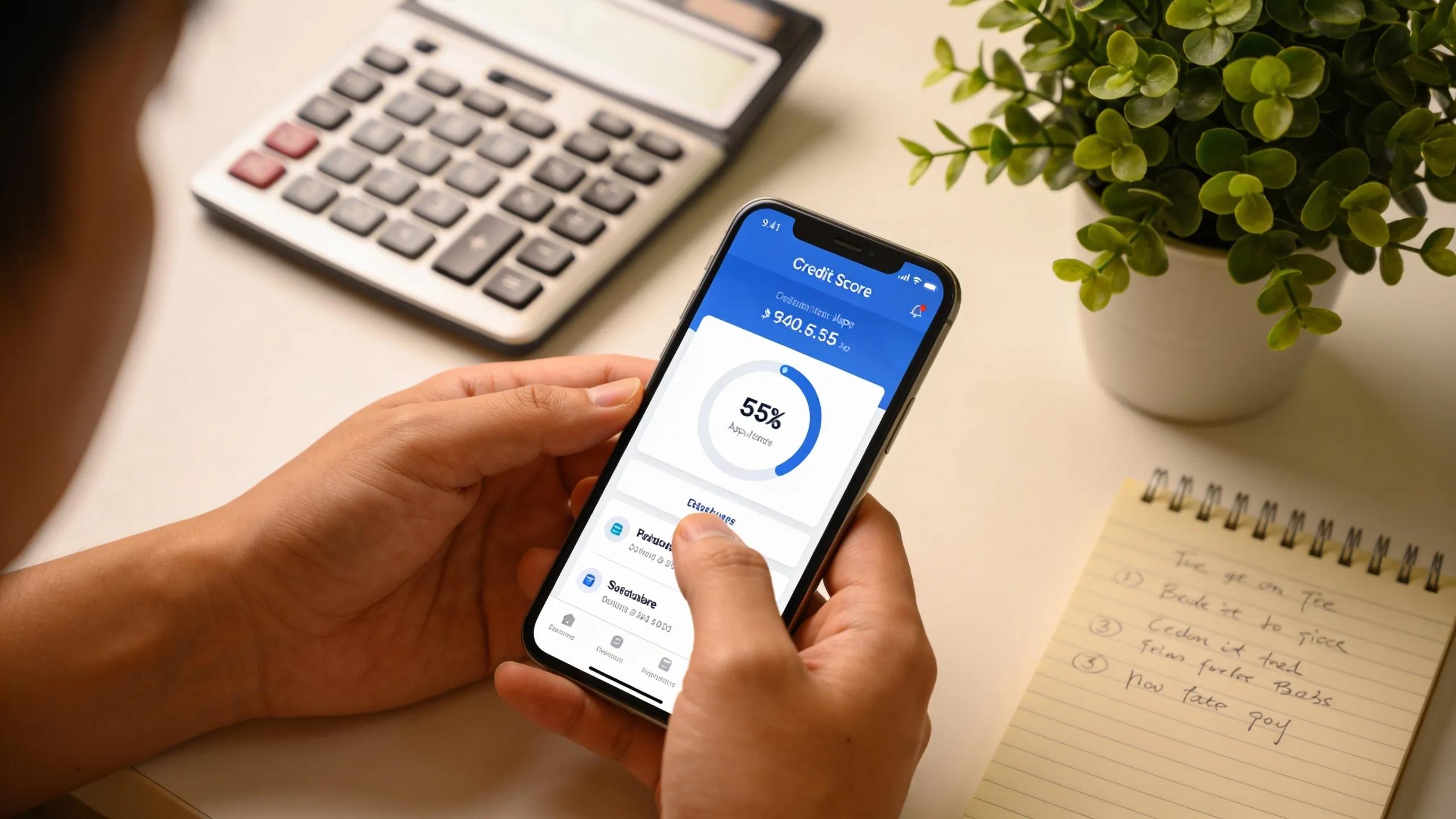
Payday loans can affect credit scores through actions taken at application and during repayment. Lenders may perform a credit inquiry when you apply; this inquiry can cause a small, temporary drop in your score, especially if your credit history is limited.
Making payments on time can support your credit by adding positive payment history. Missed or late payments, and loans that are reported negatively, can harm your score. How a lender reports activity to credit agencies and frequent borrowing patterns can also influence how credit bureaus view your account. Responsible management is key to protecting your credit profile.
There are different types of credit inquiries. Some lenders run a soft inquiry that does not affect your score, while others may run a hard inquiry that can lower your score slightly for a short period. Ask the lender whether they perform a soft or hard inquiry before you apply. Also ask whether the lender reports on-time payments; not all short-term lenders report to the major credit bureaus, so on-time payments may sometimes help less than they would with larger installment loans.
What Fees and Repayment Terms Should Borrowers Expect for California Payday Loans?
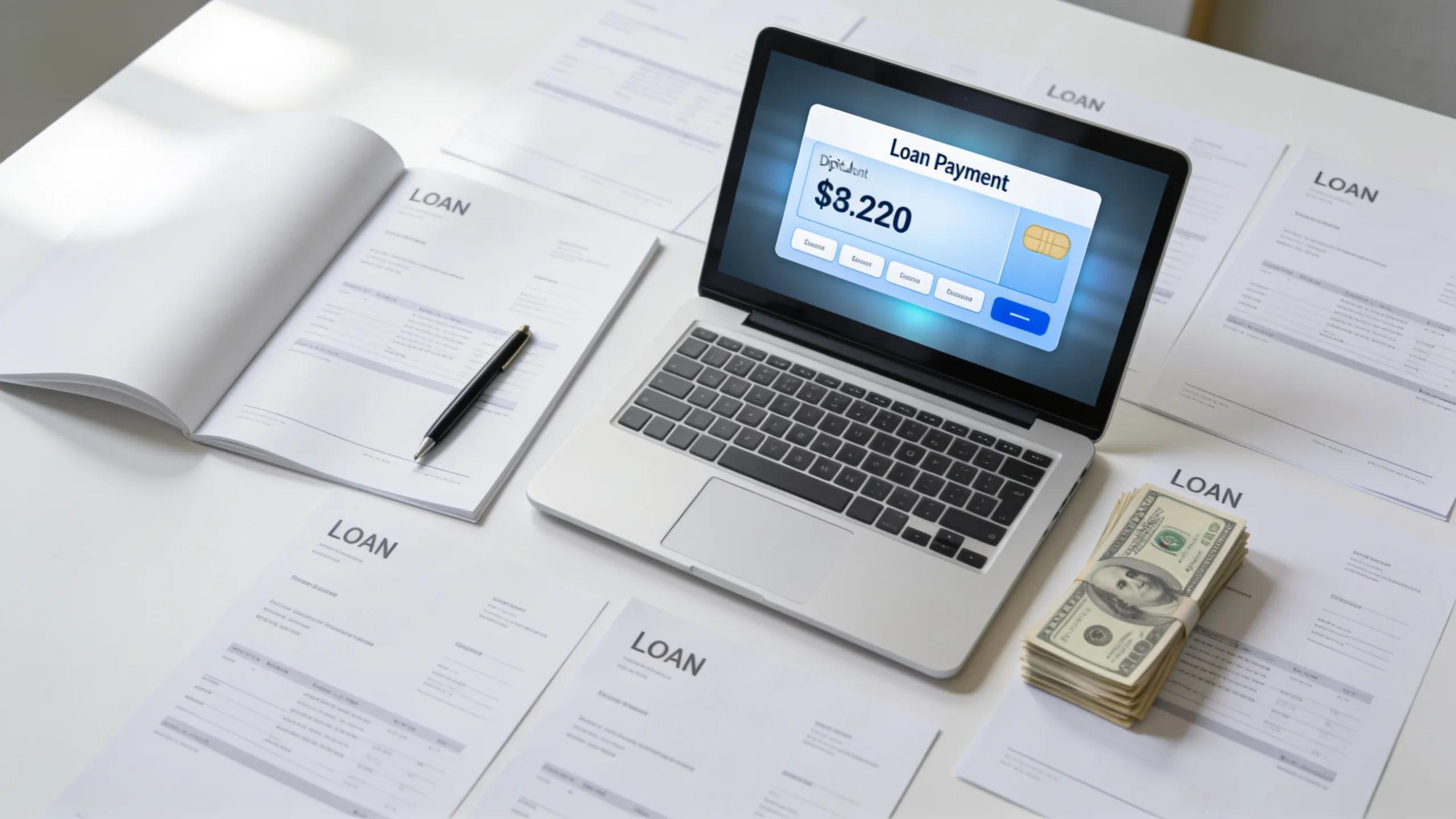
When considering payday loans in California, review the fees and repayment requirements closely. Fees are generally higher than for many traditional loans; a common example is roughly $15 charged per $100 borrowed.
Repayment typically requires full payment within two to four weeks, matching common pay cycles. Missing the repayment deadline can result in additional charges or penalties. Payments are usually made by electronic transfer or check. Review these terms carefully to avoid unexpected costs.
To make the costs concrete, consider an example using a commonly cited fee level: borrowing $300 with a $15 per $100 fee would add about $45 in fees, so the total amount repaid would be approximately $345 at the scheduled repayment date. This simple calculation helps you compare offers: divide the stated fee by the principal amount, then add fees to the principal to see the total repayment required on the due date.
Ask lenders about extension policies and late fees before you agree. Some lenders may offer short extensions or payment plans, while others will report missed payments to collection or to credit reporting agencies. Knowing the exact steps a lender takes for missed payments reduces surprises and helps you plan contingencies.
How Does the Application and Instant Funding Process Operate?
Applications are typically simple online forms that request personal information, income details and bank account information for disbursement. Lenders often evaluate applications quickly, and many provide near-instant approval.
After approval, funds commonly arrive within 24 to 48 hours. The speed is useful for urgent needs, but borrowers should understand the terms before accepting funds. Exploring instant funding options can be an option, provided you review the lender’s disclosures and repayment requirements.
When applying, be ready to verify identity and income. Common items requested include a recent pay stub, bank statements, or proof of regular income. Securely provide requested documents through the lender’s portal rather than via unsecured email. Also read the lender’s disclosures, which must describe total repayment amounts and any fees, so you know exactly what will be deducted and when.
Watch for funding timelines and cutoff times that affect when funds will post to your account. If you need cash the same business day, confirm the latest possible approval time for immediate funding and whether any additional fees apply for faster delivery.
What Are the Key Features of California Online Payday Loans?
California online payday loans come with several appealing features tailored to meet the needs of borrowers seeking quick financial solutions:
- Quick Access to Funds: Provides immediate financial relief with minimal wait times.
- Flexible Loan Amounts: Borrowers can access various amounts based on their financial requirement and lender terms.
- 24/7 Customer Support: Access to support at any time helps borrowers manage their accounts effectively.
Each feature has practical implications. Quick funding can prevent immediate financial disruption but makes it important to confirm the repayment schedule. Flexible loan amounts mean you can borrow just what you need; however, borrowing less still requires you to account for fees. Around-the-clock support and online portals help you check balances and arrange payments when time is short.
If you have questions, contact the lender’s support team for clarification. Contacting customer support can provide clarity on any concerns.
How Do Online Payday Loans Compare With Personal Loans Regarding Credit Impact in California?
Payday loans and personal loans address different needs and affect credit differently. Personal loans usually offer lower rates and longer repayment periods, making them better suited for larger or longer-term expenses.
Because payday loans have shorter terms and higher fees, they can pose greater risks to credit if payments are late. Personal loans tend to support credit building when payments are timely. Evaluate your repayment capacity and credit goals before selecting a loan.
In practice, choose the product that aligns with the size and timing of your expense. For a short, one-off expense that you can reliably repay with your next paycheck, a short-term loan may be usable. For larger needs that require months of payments, an installment personal loan or credit from a credit union may be preferable because those products are designed to be repaid over time and often report to credit bureaus in ways that build a longer-term payment history.
How Does Using the Customer Portal Improve Loan Management and Credit Outcomes?
Using a lender’s customer portal helps manage a payday loan. Portals typically provide 24/7 access to loan details, payment reminders, online payment options and repayment schedules.
These tools give borrowers better control over repayments and help avoid missed payments. Regular use of the portal can improve the likelihood of on-time payments and reduce the chance of negative reporting.
Good portal practices include setting calendar reminders, enabling text or email alerts, and reviewing your upcoming payment amount and date at least a few days before funds will be withdrawn. Confirm the portal’s security measures—look for secure connections (https) and multi-factor authentication where available.
Comparison of Fees and Repayment Terms for Different Lenders
Reviewing fee structures and repayment terms across lenders helps you compare real costs. The table below shows typical fee and term arrangements found in the California market:
| Lender | Fee Structure | Repayment Terms | Additional Features |
|---|---|---|---|
| Lender A | $15 per $100 borrowed | 30 days | Online application |
| Lender B | $20 per $100 borrowed | 14-30 days | Instant funding option |
| Lender C | $10 per $100 borrowed | 21 days | Payment flexibility |
This comparison highlights key differences in fees and terms and underscores the need to compare lenders before applying.
When comparing, look beyond the headline fee and read the sample payment schedule in the disclosures. Some lenders list vendor fees, processing charges, or optional services separately. A full review of the disclosure document shows the total amount due on the repayment date and any conditional charges for assistance or extensions.
Responsible Repayment Strategies
Adopting clear repayment strategies can lessen the effect of payday loans on your credit. Consider the following steps:
- Budgeting for Repayment: Ensure that your budget accounts for the loan repayment, allowing you to avoid overdue payments.
- Using Customer Portal Features: Engage with online repayment features to streamline the management of payments.
- Seeking Alternatives if Necessary: If repayment becomes challenging, exploring refinancing or extending the loan term might be viable options to consider.
Additional practical steps include setting up an automatic payment timed shortly after you receive income, keeping a small emergency balance for fees, and notifying the lender as soon as you anticipate difficulty. Lenders may offer hardship or short-term arrangements; contacting them early can sometimes reduce the likelihood of negative reporting.
Managing payday loans responsibly protects your credit health. For details on applying, you can visit applying for online payday loans.
Frequently Asked Questions
1. What should I know before applying for an online payday loan in California?
Before applying, review the loan terms, including fees and repayment periods. Compare lender policies and service charges, and confirm whether your income can support timely repayment. Clear communication with the lender helps you make an informed decision.
Also verify whether the lender reports to credit bureaus, what types of inquiries they use, and whether any third-party processors will access your bank account. Small details in the disclosure document, such as the exact withdrawal date and return payment fees, can be important.
2. Can my credit score improve with online payday loans?
Yes. Timely repayments show reliability to credit bureaus and can improve your credit history over time. Consistent on-time payments make future credit easier to obtain. Missing payments, however, can lead to negative reporting, so staying on schedule is essential.
If a lender reports on-time payments to the bureaus, a consistent record of repayment may help. If a lender does not report, consider using other credit-building strategies in parallel, such as small installment loans or secured credit products that report payment history.
3. How can I manage my payday loan repayments effectively?
Create a budget that prioritizes the loan payment. Use the lender’s portal to monitor payments and set reminders. If possible, pay extra to reduce the principal. Keep the lender informed if you face difficulties. These steps help maintain your credit standing.
Practical tips include transferring the repayment amount to a separate account after receiving funds so you don’t spend it accidentally, and scheduling reminders two to three days before the withdrawal. If you cannot make a payment on time, reach out to the lender promptly to discuss available options.
4. What alternatives to online payday loans should I consider?
Consider alternatives such as personal loans, credit unions, or borrowing from family or friends. Personal loans often have lower rates and longer terms, which can reduce monthly pressure. Secured loans may also offer better terms. Compare all options before choosing.
Other alternatives include asking your payroll department about an advance, speaking with a credit union that offers small emergency loans, or investigating community assistance programs that may reduce the immediate expense without incurring loan fees.
5. How do multiple payday loans affect my credit score?
Multiple payday loans can raise concerns on your credit record, particularly if they lead to missed or late payments. Credit bureaus may view frequent short-term borrowing as a sign of financial strain. Limit the number of such loans and prioritise on-time repayment. Aim to build a sustainable plan that reduces the need for repeated short-term borrowing.
Keeping a clear repayment plan and working with a trusted lender portal can prevent overlapping due dates that might strain available funds. If you find short-term loans are becoming a recurring solution, consider speaking with a financial counsellor to create a longer-term plan.
6. Are there specific regulations governing payday loans in California?
California law regulates payday lending to protect consumers. Rules limit fees and set borrowing caps relative to income. Lenders must provide clear disclosures that explain terms and total repayment amounts before you sign. Knowing these protections helps you assert your rights.
Review the lender’s disclosure carefully and keep a copy for your records. If you believe a lender is not following state rules, you can request clarification or consult consumer protection resources for assistance.
7. What should I do if I cannot repay my payday loan on time?
If you cannot repay on time, contact your lender promptly. Many lenders offer extensions or alternative payment arrangements. Know your rights under California law to limit negative consequences. Financial counselling services may also offer options to manage obligations more effectively.
Early communication is often the best option: lenders sometimes provide short extensions or repayment arrangements if you explain your situation. Document any agreement you reach and confirm whether the lender will report the arrangement to credit agencies.
Conclusion
Understanding online payday loans in California helps borrowers make informed decisions and assess credit impact. Timely repayments can support credit improvement and financial stability. Carefully reviewing fees and terms, considering alternatives, and using lender resources all contribute to responsible borrowing. See our resources to learn more about managing your financial health and available options.
Before deciding, read the lender’s disclosures, compare offers, and use customer portals and budgeting tools to protect your credit. If you are unsure which option fits your needs, consider speaking with a financial counsellor or contacting the lender for clarification about reporting, fees, and repayment options.
Share this article:
Related Posts